How to Avoid Idle Trucks

Idle trucks kill trucking companies. Opportunity costs and actual costs occur from empty trucks. An idle truck misses out on the opportunity to earn $650 in revenue every day it is not on the road. Not only that, but it costs about $170 a day in fixed cost for a truck to sit and rust. Your company loses $820 per truck for every day the truck is not on the road. Considering that on average it takes 20 days for a company to hire a new driver, a sitting truck will cost your company $16,400. Being able to keep all your trucks on the road is critical to your company’s success. Here is how to avoid idle trucks.

Keep Your Driver Pool Full

According to the ATA’s Truck Driver Shortage Analysis 2019, driver churn was 89% for large for-hire carriers and 73% for small for-hire carriers. Your drivers are going to leave your company. Some sooner than others. You must be constantly using digital marketing strategies that find qualified drivers online and encourage them to apply for your company. As your current drivers leave for other positions, the recruiters will be able to pull from this pool and hire them quicker. Drivers from the driver pool are able to be hired faster because your company will have already done the due diligence of screening the applicants to see who is qualified for your positions. Recruiters need to be either filling up the applicant pool or hiring from the applicant pool at all times.

Fleet of idle trucks

Slip Seating

This is a controversial method. If you look at any trucking forum that discusses slip seating you will see that the majority of truckers are not fans of this practice. However, Duff Swain, founder of the Trincon Group, argues that slip seating is necessary for maximizing the value of your trucks.

Duff says that today’s trucks are designed to be operated 24/7, only requiring idle time of two to four hours every 25,000 miles for an oil change.

Operating your trucks 24/7 will produce the maximum value instead of idle trucks costing your company thousands of dollars.

Drivers will say that they do not like slip seating because often times when they receive the truck from another driver, the inside will be dirty and smell gross. Issues like this can be easily avoided.

To avoid messy trucks your company must hire drivers that take pride in their work. Also, you must establish a system where before the drivers are allowed to end their shift, they must have their truck checked out by a third party. Hold the drivers accountable.

Finally, if your company implements a slip seating system properly then your drivers will have the opportunity for more home time. Schedule the drivers based on their preferences to fill the trucks you have. Share with your drivers that slip seating is going to allow them to spend more time with their loved ones and they will be more likely to cooperate.

Cut the Dead Weight

Any truck that your company is unable to fill must be sold. Keeping trucks in your fleet that have been idle for over a month are costing your company tens of thousands of dollars. Using the numbers above, a truck that is idle for one month (30 days) will cost your company $24,600. Add to that the cost of hiring a driver ($8,000 on average), a truck idle for one month costs your company $32,600 before it starts earning revenue again. If the truck earns $650 a day in revenue, then it will take 51 days before your company regains the opportunity costs, hiring costs and rust costs from the idle truck. Your company needs to sell any truck it owns that will not be filled for months. Selling the truck will increase your cash flow and cut your costs.

Avoid idle trucks as much as possible. Owning a truck that does not have someone to drive it costs your company thousands of dollars. Idle trucks kill trucking companies. In order to keep your trucks on the road and have zero idle trucks in your fleet your company must keep your applicant pool full, slip seat, and sell any idle trucks that can not be filled.

How to Set Up Your Company for Recruitment Success

Today, drivers are more accessible than ever. You can reach drivers 24/7 because of the internet. So why is it that companies across the nation are struggling to recruit talent? The problem may be that companies are not setting up their recruitment team for success. In order to effectively find qualified drivers online your company needs to utilize digital marketing specialists. Either hire specialists in-house or work with an agency. Recruiters have enough to worry about, don’t put too much on their plate by expecting them to also become digital marketers. The more time recruiters spend online trying to implement digital marketing strategies, the less time they can spend recruiting. Here is how to set up your company for recruitment success.

Recruiters Need to Recruit!

Recruiters are intended to contact quality drivers, get them through orientation, and keep them in the company. Digital marketing should not be one of their responsibilities. Recruiter efficiency will be maximized in a system where they are provided a pool of warm leads. Then the recruiters can focus on phoning.

Kelly Anderson talks about distracted recruiters in his webinar, Latest Techniques for Finding & Recruiting Truck Drivers. Here he mentions that recruiters get distracted with finding drivers online and forget to call them. This leads to poor results.

If a recruiter is not on the phone trying to bring drivers into the door then they need to be focused on orientation, building trust with drivers, and retention. Articles by CDL Training Spot, and Tenstreet discuss what it takes to be a successful driver recruiter. Neither article mentions anything about learning digital marketing strategies that find qualified drivers online.

Every work related task that the recruiter does needs to be directly related to speaking with potential drivers, getting drivers through orientation, and retaining top talent. Anything else the recruiter does is not optimizing their time.

Team of digital marketers

Recruiters are NOT Digital Marketers

Recruiters should not have anything to do with implementing a driver focused digital marketing strategy. Digital marketing and driver recruiting are two fields that require an immense amount of time and attention to detail.

An effective digital campaign will involve technical strategies such as social media interaction, geofencing, mobile-first design, and building a recruitment landing page. Randall Reilly wrote an article on the Top Four Digital Trends for Recruiting Truck Drivers. According to the article the top trends are: mobile, social, video, and hot topics. Do you want your recruiters spending their days making videos and writing blog posts or contacting potential drivers?

Trying to recruit and market will lead to recruiters not doing either one particularly well. You do not want your recruiters to be a ‘Jack of All Trades, Master of None’. Set up an environment where recruiters can be master recruiters and another team can be master digital marketers.

Trucking companies need to setup an ecosystem where either an agency or an in-house team focus solely on digital marketing strategies that find qualified drivers. Then recruiters start smiling and dialing their way through that pool of drivers. Finally, the recruiters need to devote some time to orientation and retention. This system is how you set up your company for recruitment success.

The Three Pillars to Driver Retention

Effective driver retention is key to operating a successful transportation company. The average cost to hire a truck driver is just under $8,000. Being able to keep drivers on staff and not leaving at the first opportunity will save your company thousands of dollars. There are plenty of articles that discuss different strategies to retain drivers, but driver retention truly boils down to three areas. I refer to these areas as the Three Pillars to Driver Retention. Think of a structure built on three pillars, it will stand strong in any circumstance. Knock down one of the pillars and the structure will still stand, however it will not be as strong. The same idea applies to driver retention. To be as effective as possible your company needs to excel at all three pillars, but if you can offer two of the three then your retention efforts will suffice. Only performing one pillar will result in a complete collapse. The Three Pillars to Driver Retention are: pay/ incentive programs, respect, and proper management.

Pay Your Drivers!!!!

According to the Occupational Outlook Handbook the median pay in 2018 for truck drivers was $43,680, or $21.00 per hour. $43,680 needs to be the minimum you are offering your drivers. If you think that you are saving the company money by lowering the drivers’ CPM, think again. Drivers are not afraid to leave your company for another that is hiring with higher pay. Every driver that leaves your company is another eight grand your company needs to spend to replace them.

If your company is small then it may not be able to afford to pay truckers top dollar. One way you can work around this is by offering high performance bonuses. Offer money to drivers who average a certain MPH, or who routinely arrive on time to drop off locations. All that matters with the performance bonuses is that the action needed to receive the bonus can be easily tracked by the company and the driver. Clear incentive programs will ensure the drivers are engaged and motivated to perform. The better your drivers perform, the more cash your company will bring in. This will allow you to afford paying the drivers the bonuses offered. It is critical that you never short change a driver on a bonus they have earned. Doing so will eliminate any trust built between the driver and company. Also, that driver will go on to tell all of their driver friends that your company does not value its drivers.

Treat Drivers Like Family, Not Employees

On the road, drivers are constantly dealing with unpleasant situations. Cars get annoyed any time a truck is in front of them. Unloading the truck can be a long process that the driver does not get paid for (if they are paid based on miles driven). Drivers will spend weeks away from their loved ones at a time. The last thing the driver wants to deal with is an ungrateful company. Your company needs to go out of its way to make the driver feel wanted.

“Employees who feel valued are more likely to be engaged in their work and feel satisfied and motivated.” – Christy Matta, M.A

Show the drivers you appreciate them by hosting driver appreciation celebrations, inform them about available opportunities within the company, take the time to ask how their family is doing. Imagine your child (substitute any family member if you do not have kids) works as a driver, how would you want them to be treated? The answer to that question is how you need to treat your drivers.

Employ Excellent Fleet Managers

The trucker – fleet manager relationship is a valuable one. A fleet manager that is bad at their job will raise frustration levels among all of the drivers. Experiencing delays due to the fleet manager’s mistakes will frustrate the drivers because it is costing them money. In addition to being skilled in the logistics of running a fleet, the fleet manager needs to be able to manage people. Like most people, drivers do not enjoy being bossed around and feeling like their concerns are not being listened to. A fleet manager should avoid telling the drivers what to do, but instead take the time to explain why the rules are in place and get the driver to follow the rules on their own accord. Also, the fleet manager needs to take the time to listen to the drivers. Drivers will often bring up valid issues or ideas that they experience while out on the road. Listening to the drivers will also make them feel like they are a part of the team.

Drivers are well aware that there is a shortage. If they do not like something about the current company they drive for it is not difficult to find a new employer. Failing to utilize at least two of the three pillars will cause your drivers to leave you for a company that does. To retain your drivers you must offer competitive pay and benefits, treat your drivers with the utmost respect, and employ skilled fleet managers.

How to Keep Drivers From Backing Out

Hiring qualified truck drivers is hard! That is no secret. Writing enticing job posts, getting drivers to apply, going through the interview process, offering the position, and putting the driver through orientation is a long and expensive process.

The average cost to hire a new driver is $8,612. As a recruiter, nothing is more deflating than going through 95% of the process only to have the driver bail. Unfortunately, this occurs far too often.  A survey conducted by Robert Half staffing agency shows that 28% of people admit to backing out of a job offer after accepting it. Here is how to keep drivers from backing out before orientation.

Offer Competitive Benefits, and Shout Them From the Rooftops

Many truckers feel that they are underpaid, overworked, and treated with little respect. This feeling is one of the driving forces behind the high turnover rate. If your company is offering benefits that are on the low side then drivers are likely to back out.

The Robert Half survey mentioned earlier found that of all the employees who backed out of an offered position, 44% of them did so because they received a better offer from another employer. Offering competitive benefits is only part of the equation.

As the recruiter it is up to you to make the benefits of the position abundantly clear. Handing the applicant paperwork that lays out the benefits is not enough. Repeatedly through the hiring process you need to highlight the benefits offered.

Get the applicant excited about the opportunity. If you do not ingrain the company’s benefits into the applicant’s mind you are leaving the door cracked for another company to use their benefits to lure the applicant away.

Slow Onboarding Speeds Increase Frustration 

A slow onboarding process can be frustrating for new hires. Being hired by a company  is an exciting moment for drivers. Either this is the driver’s first driving job, it is a second chance, or they are being hired for a position that better aligns with their personal needs.

However, a painstaking onboarding process can kill that excitement the driver felt when initially hired. Difficult paperwork, manually submitting documents, figuring out how to get to orientation, delayed drug tests, etc. are all headache inducing actions.

In addition to increasing the levels of frustration, a prolonged onboarding process increases the amount of time other companies have to lure your hire away from you. High levels of frustration combined with an extended amount of time for competition to poach your applicants is a recipe for disaster.

Tenstreet has some excellent tools for increasing the speed of your onboarding process.

frustrated driver on the verge of backing out of their new job

Personally Call Your Applicants at Each Step

In the past, we have written about the importance of calling leads immediately after they apply. Phoning does not lose its importance as the hiring process goes on. In fact, phoning becomes more important. You must be calling your applicants as much as you can.

By calling the driver you will establish a personal relationship with them. Drivers are less likely to back out on a job offer, even if presented with a better option, if they have a relationship with the recruiter. Applicants will feel loyal to you if you take the time and effort to build a relationship with them.

As a truck driver recruiter dealing with applicants backing out of a position is part of the job. That does not make it any less frustrating. By taking a few extra steps, you can keep drivers from backing out before orientation. Make sure the driver knows the company benefits, speed up your onboarding process, and build a personal relationship by calling the driver frequently.

How to Strategize for Successful Driver Recruitment

Prior to launching a new campaign do you layout the terms of success? Or do you gauge success solely on number of drivers hired? If it is the latter then you may want to change your strategy. In order to improve the overall recruiting efforts of your company, it is crucial that each recruitment campaign has its own terms of success. Here is a guide to help you strategize for successful driver recruitment.

Your Company’s Values are the Base of all Decisions

Before you do anything, you need to know what your company’s values are. Does your company pride itself on hiring the best talent and a high retention rate? If so your recruitment efforts should prioritize quality over quantity. Or maybe your company is determined to be the most tech-savvy trucking company.

In this scenario your campaigns should revolve around utilizing new tech, such as geofencing, to hire drivers. Every company has its own unique set of values. It is up to the recruiter to use these values to guide each strategic decision they make.

Set Recruiting Goals That Align With Company Values

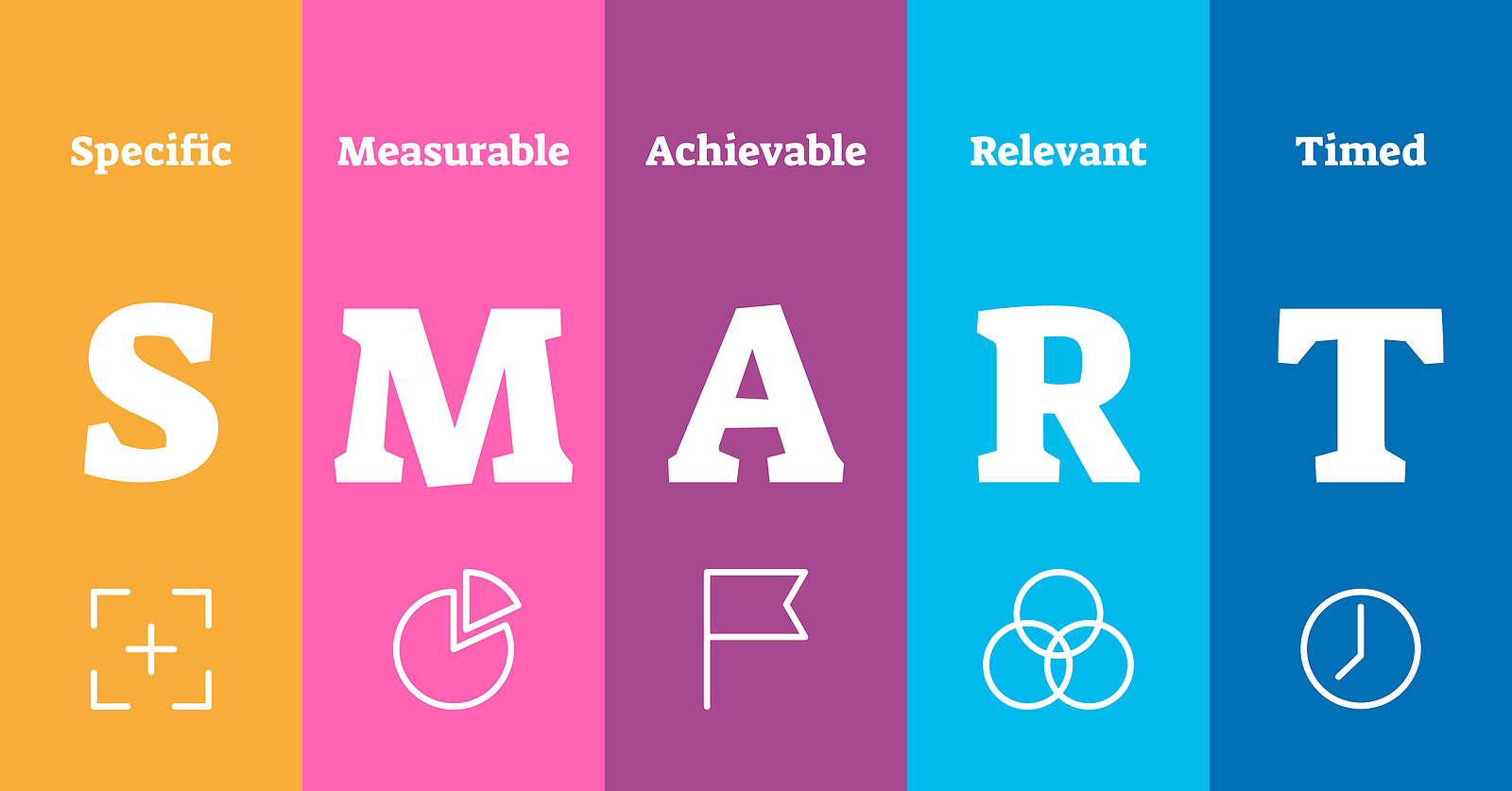
Once you have defined your values, you need to use them to set SMART (Specific, Measurable, Achievable, Relevant, Time-based) goals for your campaign. Vague goals such as “hire as many drivers as possible” or “increase the number of hires found on Facebook” are not effective.

If you are working for a company that values family than an example of a SMART goal for your campaign may be, “Hire five married team drivers from employee referrals by the end of the month”. Combining your company’s values with the SMART technique you are able to write goals that motivates your staff and gives your efforts a stronger sense of purpose.

Also, by using clearly defined goals it is much easier to tell if you achieved your goal or not. “Hire as many drivers as possible” is an impossible target to hit; however, “hire five married team drivers from employee referrals by the end of the month” gives you a number to hit, using a certain technique, within a time frame.

SMART goals graphic

Analyze Data Directly Related to Your Recruitment Efforts

As a general rule of thumb the more data you can collect the better. However, if you are focusing on the wrong numbers then your insights will be mislead.

Uncle Ben’s advice from Spiderman, “With great power comes great responsibility,” holds true with data. With great amount of data, comes a greater emphasis to focus on the right data.

For example, a company that sets out to hire more female drivers from Facebook will be mislead if they looked at the data on total number of driver applicants from Facebook. The company may falsely claim their campaign was a success because the total number of Facebook applicants went up but female applicants did not increase.

DiscoverORG did a study in 2015 and found that the average marketing/sales department lost 550 hours and $32,000 per sales rep from using bad data. When question the data set you are looking at it is helpful to ask yourself, “Does this data directly relate to the company values?” and, “Does this data directly show I am short or exceeding my goal?”

If the answer to either of those questions is “no” or you are unsure, it is best to not use the data and focus on the data you can confidently answer “yes” to both of the questions.

Focus on Achieving Your Recruitment Goals

The goal you defined prior to launching your campaign should be your only barometer for success. It is easy to focus too much on following the “process” to achieve our goals. In Jeff Bezo’s 2016 Letter to Shareholders he said,

“The process becomes the proxy for the result you want. You stop looking at outcomes and just make sure you’re doing the process right. Gulp.”

You may have a goal of hiring 10 drivers via referral for the month. If you come up short, instead of claiming you had a good process and will do better next month, take the opportunity to assess your process and find areas to improve.

Learn From Mistakes and Apply That to Future Recruiting

Every recruitment campaign you launch is a learning opportunity. As the recruiter it is up to you to document the entire process and learn lessons based on what happens. You must use the lessons you learned from previous campaigns to avoid repeating mistakes and improve overall effectiveness of future campaigns.

Having a plan for achieving success is equally as important as having an effective recruitment plan. Defining you values, setting clear goals, avoiding bad data, focusing on outcomes, and learning from previous campaigns are all steps for achieving success. Even the most well thought out recruitment campaigns need  to strategize for successful driver recruitment.